(upbeat music)
Download transcript (.srt)
0:00
0:02
0:08
0:10
0:14
0:16
0:20
0:22
0:24
0:28
0:31
0:34
0:38
0:39
0:43
0:46
0:48
0:50
0:53
0:56
0:59
1:01
1:03
1:07
1:10
1:12
1:15
1:19
1:22
1:26
1:27
1:31
1:34
1:37
1:41
1:44
1:47
1:50
1:53
1:56
2:00
2:02
2:04
2:09
2:11
2:13
2:15
2:17
2:20
2:24
2:28
2:31
2:34
2:37
2:39
2:41
2:42
2:47
2:52
2:53
2:54
2:58
3:01
3:03
3:05
3:07
3:11
3:14
3:20
3:23
3:26
3:30
3:34
3:37
3:39
3:43
3:46
3:49
3:53
3:55
3:59
4:02
4:03
4:07
4:11
4:13
4:16
4:19
4:22
4:24
4:26
4:29
4:32
4:35
4:38
4:43
4:46
4:48
4:51
4:54
4:58
5:01
5:03
5:05
5:07
5:09
5:12
5:13
5:16
5:19
5:23
5:26
5:28
5:32
5:35
5:37
5:39
5:44
5:46
5:48
5:50
5:53
5:57
6:00
6:02
6:05
6:09
6:12
6:14
6:17
6:21
6:23
6:24
6:27
6:29
6:32
6:35
6:36
6:38
6:41
6:44
6:46
6:48
6:51
6:53
6:55
6:59
7:01
7:04
7:06
7:08
7:12
7:15
7:18
7:20
7:22
7:24
7:29
7:32
7:33
7:36
7:38
7:39
7:42
7:44
7:47
7:51
7:54
7:55
7:58
8:00
8:04
8:07
8:09
8:11
8:15
8:17
8:20
8:23
8:25
8:28
8:30
8:32
8:33
8:36
8:38
8:41
8:44
8:47
8:49
8:54
8:55
8:59
9:01
9:03
9:07
9:12
9:14
9:16
9:18
9:19
9:21
9:26
9:28
9:31
9:33
9:36
9:39
9:44
9:46
9:49
9:51
9:54
9:58
10:01
10:05
10:07
10:09
10:13
10:15
10:18
10:22
10:25
10:28
10:31
10:33
10:34
10:37
10:39
10:42
10:45
10:49
10:51
10:53
10:56
10:59
11:01
11:04
11:07
11:10
11:13
11:17
11:19
11:22
11:24
11:28
11:31
11:32
11:36
11:38
11:43
11:45
11:47
11:49
11:52
11:55
11:57
11:59
12:02
12:04
12:07
12:09
12:12
12:16
12:19
12:24
12:27
12:30
12:34
12:37
12:39
12:42
12:43
12:45
12:48
12:50
12:53
12:58
13:00
13:04
13:07
13:10
13:11
13:15
13:19
13:22
13:25
13:27
13:31
13:34
13:37
13:40
13:42
13:45
13:48
13:50
13:53
13:55
13:58
14:02
14:05
14:07
14:09
14:14
14:17
14:20
14:23
14:25
14:28
14:32
14:36
14:39
14:43
14:47
14:49
14:53
14:56
15:00
15:03
15:05
15:09
15:12
15:17
15:20
15:22
15:25
15:26
15:29
15:33
15:38
15:43
15:47
15:51
15:54
15:55
15:58
16:02
16:07
16:12
16:15
16:20
16:24
16:28
16:30
16:32
16:36
16:38
16:40
16:43
16:46
16:51
16:53
16:55
16:59
17:03
17:08
17:10
17:14
17:17
17:20
17:23
17:26
17:29
17:33
17:35
17:38
17:43
17:46
17:49
17:50
17:54
17:56
17:59
18:03
18:07
18:10
18:13
18:16
18:19
18:22
18:23
18:25
18:27
18:31
18:36
18:38
18:41
18:44
18:47
18:50
18:53
18:56
19:00
19:02
19:07
19:08
19:13
19:16
19:19
19:21
19:25
19:27
19:32
19:35
19:39
19:43
19:48
19:50
19:55
19:57
20:00
20:02
20:05
20:08
20:10
20:15
20:19
20:22
20:26
20:29
20:33
20:37
20:40
20:44
20:46
20:51
20:55
20:58
21:03
21:04
21:07
21:10
21:11
21:15
21:17
21:21
21:26
21:29
21:32
21:33
21:36
21:39
21:41
21:43
21:47
21:49
21:52
21:55
21:58
22:01
22:03
22:07
22:09
22:10
22:12
22:16
22:17
22:19
22:21
22:23
22:27
22:30
22:33
22:35
22:36
22:38
22:39
22:41
22:44
22:45
22:48
22:51
22:53
22:57
23:00
23:04
23:06
23:08
23:11
23:12
23:15
23:18
23:20
23:22
23:25
23:27
23:30
23:32
23:34
23:36
23:37
23:40
23:42
23:44
23:46
23:49
23:52
23:56
23:58
23:59
24:03
24:07
24:10
24:13
24:17
24:20
24:21
24:22
24:24
24:26
24:28
24:32
24:35
24:39
24:40
24:43
24:48
24:50
24:54
24:57
25:01
25:04
25:07
25:12
25:16
25:20
25:23
25:29
25:32
25:34
25:37
25:40
25:47
25:49
25:52
25:55
25:58
26:02
26:09
26:12
26:13
26:18
26:22
26:28
26:33
26:35
26:39
26:44
26:50
26:55
27:00
27:05
27:09
27:13
27:18
27:24
27:28
27:34
27:41
27:45
27:51
27:57
28:02
28:07
28:13
28:17
28:22
28:27
28:33
28:38
28:43
28:50
28:57
29:03
29:07
29:13
29:19
29:25
29:32
29:39
29:44
29:49
29:55
30:01
30:07
30:15
30:22
30:28
30:36
30:41
30:47
30:54
30:59
31:06
31:12
31:17
31:22
31:28
31:34
31:39
31:46
31:52
31:59
32:05
32:12
32:17
32:22
32:29
32:35
32:40
32:44
32:51
32:56
33:01
33:05
33:13
33:18
33:24
33:30
33:36
33:44
33:50
33:55
34:00
34:04
34:10
34:16
34:22
34:27
34:33
34:38
34:45
34:52
34:56
35:02
35:07
35:11
35:18
35:24
35:30
35:35
35:40
35:46
35:53
35:59
36:06
36:12
36:18
36:23
36:29
36:33
36:33
LAUREN: Hello and welcome listeners.
You are listening to Stories of Openness,
a limited series podcast created by the Open Education team
at Deakin University Library.
My name is Lauren Halcomb-Smith and I'm your host.
I'm a lecturer of Open Education at Deakin
and I'm on a mission to explore the impact
that Open Educational Resources or OER
are having on learning and teaching at Deakin.
OER are free textbooks and other learning materials
that anyone can use, adapt and share
unlike traditional textbooks
that are locked behind high costs and copyright restrictions.
In this series, I'm talking with Deakin academics
about their experiences of creating
and using Open Resources.
This podcast is part of a research project
that uses podcasting as a research methodology.
So this conversation is both a podcast
and open research data.
I'm coming to you today from the beautiful,
traditional and unceded lands of the Wiradjuri people.
I greatly acknowledge them as through traditional custodians
of these lands, seas and skies.
And I recognize that this has been a place of learning,
teaching and rich conversation for millennia.
My guest today is Daniel Hitch,
author of Open textbook, Enabling and Optimizing Recovery
from COVID-19.
Daniel is an associate professor in Deakin's Faculty of Health
and has been at Deakin for nearly 20 years.
She's also been an occupational therapist for 25 years
and an active researcher in her field for 15 years.
She has a particular interest in Long COVID,
which is the topic of her amazing OER,
published in 2023.
Enabling and optimizing recovery from COVID-19
is an invaluable resource focused on the assessment,
management and support of people experiencing Long COVID.
Welcome, Danielle.
DANIELLE: Thanks very much for having me.
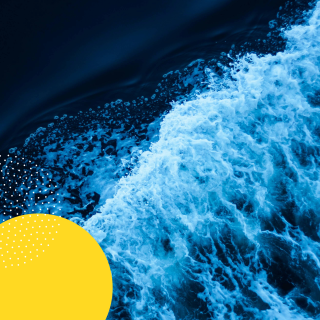
LAUREN: Danielle, is there a story behind the picture of the waves
on the cover of your book?
DANIELLE: Yes and no, I think we've looked through
lots and lots of different pictures.
It's kind of like choosing a name for your first born
to be honest, because we wanted to have a really nice picture.
And we ended on that one, just because it sort of shows
the space between the ocean and the shore.
And we felt that it sort of spoke to us
about, you know, we're in this liminal space
where we were too sure, still aren't too sure
about how things work around Long COVID.
So we chose it for that reason
and also we just like the colours to be honest.
LAUREN: It is a beautiful and very eye-catching cover.
Now, Danielle, tell us, how did you come to create an OER?
What's the story?
DANIELLE: Yeah, so I'm in a joint position
with a public health service in Melbourne.
The public health service was kind of ground zero
when COVID broke out in 2020.
We had a huge number of cases.
And the position I was working in at that point
I was actually redeployed back to frontline work
because the service was under so much stress.
And then by about September 2020, myself and my allied health colleague
started seeing people coming back into the service
with what we now know is Long COVID.
But at that point, it was really not very understood at all.
And so we started to treat these people as best we could
and we started to look into,
as Long COVID became better known,
well, what do we need to know about it as health professionals?
It's a new syndrome, but it's not entirely new.
There are lots and lots of post-viral syndromes out there
like ME/CFS and glandular fever,
which most people get in their teenage years,
but it does have some distinctive characteristics.
So we did a little bit more research with allied health professionals
and essentially what they were telling us
is we don't know anything much about this at all.
And we're not sure what to do to this people.
One of the big catch-22s when it comes to Long COVID
is something called post-exertional malaise or PEM.
What happens with PEM is people with Long COVID
often will exert themselves a little bit
and we're not talking about a lot.
It might be getting up and having a shower or something.
And then they crash and have absolutely no
energy for extended periods of time.
So that in itself was something people were really unsure about
because we want to encourage people to get up and move
and doing things, but it was making people worse in many cases.
That's kind of the seed of the OER
because we knew that we needed to develop
some workforce capacity building.
I guess I was attracted to the OER way of doing it
because yes, you can develop packages of training
and you can put them behind a paywall
and you can do all that sort of stuff that it takes too long.
And I think one of the great things,
one of the few great things about the COVID pandemic
was we could get stuff done quickly
because all the bureaucracy just kind of melted away.
We didn't have time for all of that.
So the OER sounded like something
that could be really responsive and quick
and something that health professionals wherever they were
could get into and get some training
without having to wait for someone to come and deliver it
or pay money or any of those sorts of things.
And we also wanted something that was very tailored
towards allied health particularly.
So that's occupational therapy, where I come from
but also physiotherapy, social work, dietetics.
Because a lot of textbooks in healthcare
are pitched really at nursing and medicine
but allied health has a really unique context.
So we thought we could tailor it to exactly what we needed.
Because the field changes so quickly as we learn more
and variants change and all of that sort of stuff
We were sort of attracted to doing it
because when you're something we could keep updating
and we could keep adding to so it'd be like a living document.
So that's kind of where we got to with it
and then the scheme came up at Deakin
to support people to do OERs
and we jumped at it and that was sort of the start
of putting it all together.
LAUREN: Amazing.
So the real need that you wanted to fill
was for the allied health professionals
who didn't have a resource to support them
in supporting patients experiencing long COVID,
is that right?
DANIELLE: Yep, that was probably the main one at that time
but also thinking about our workforce development
that we have obviously students in all of these disciplines
who need to come out of uni
ready to keep the ground with this, you know,
additional novel condition
that most of their textbooks certainly
wouldn't have any mention of at all.
So it was at the start, primarily for their clinicians
and then we also thought about
well our students need to be upskilled as well.
LAUREN: Tell me about the resource
'cause it's really special in a lot of ways.
DANIELLE: So we thought really hard about how to put it together
and we needed to have a bit of a traditional structure
in some ways in terms of having chapters and things
because that's what people are familiar with.
So we couldn't go too wild.
We needed to sort of have something like that
but we also wanted to embed the international classification
of function because that's a model
of understanding health and wellbeing
that all allied health clinicians know.
So we started with that structure
and we needed something like that
because long COVID is so diverse.
There are over 200 different symptoms.
It affects everybody's structure and function.
So we needed to have, so we initially really thought about
how do we organize this information
so people can access it.
We were also really committed to embedding
as much as possible lived experience
because I mean, it is different to a lot of other conditions
in that if you're a health professional,
you aren't much higher risk of getting COVID
simply through exposure in the workplace.
So a lot of the people we knew, I guess personally,
who had long COVID, were our colleagues.
And so we've been having these discussions
with people we knew sharing their leaked experience
expertise and we felt really strongly
that that needed to be embedded in what we have.
It's one thing for someone who doesn't have a condition
to tell you what it's about.
It's something completely different
when someone who lives with a tells you what it means
to live with that condition.
So we started thinking about, well, how could we do this
because we don't want to burden people with Long COVID,
you know, writing an OER is hard work
and we didn't want to make it really difficult for them.
So we thought of the idea as part of the overall structure
of having personas.
So that people didn't have to expose themselves
or tell their story if they didn't want to.
We came up with a series of personas.
So they're basically like case studies, but in more depth,
which described various types of presentations for long COVID.
So all of those personas were co-written
with people with long COVID.
They gave us all the information
and we sort of batted it back and forth
until we got it into a story.
And then we committed to every chapter being peer reviewed
by at least two people with Long COVID.
It's a bit harder to get people with Long COVID
to write the chapters because they've pitched it,
health professionals sort of have to be written in a certain way.
But that's how we sort of made sure that lived experience
Was, to some degree, part of the OER.
And then we sort of looked at, well, what information have we got
from our existing research that we wanted to share?
So I think one of the really good things about an OER
is it gives you an alternative format for sharing
and disseminating, maybe the more practical
translational stuff that wouldn't go into a journal
because the journals just want the research evidence.
So we went back and had a look and we thought, okay,
well, we need an introductory chapter.
We need a chapter, basically, saying what is Long COVID.
There was some colleagues who were working
with in physiotherapy who'd gotten a little bit of money
to develop training for physios around Long COVID.
So they decided to write a chapter
and so that chapter's there for any physio to look at.
Not just physios, but it is very physio-oriented.
And then over time, we've added some other chapters
as we've gone on.
We had a chapter about models of care,
which again came from a research project,
but the model of care was the actual outcome
and not something that really can get into an academic journal.
And we've also updated with a chapter on pacing,
which is one of the key strategies
that people with Long COVID use.
So we haven't yet filled in every part of it.
There's still gaps in terms of the international classification
of function structure.
But over time, we will add new things in.
So it's become a really good resource for the things
that we're doing as part of our research that, you know,
really, we just want to tell people that are practical,
that people can take guidelines and all sorts of things.
The OER is a really good place to put that
so that it's freely available to everybody.
So we did a lot of writing together.
I have three other co-editors from the OT department
and we kind of slogged away at it over.
I think it was six or eight months
for the first, getting it up to scratch for it to be released.
And that's kind of how we worked out it.
So it wasn't, it was partly organic in terms of, as,
you know, issues arose or we had information,
we could add that in.
So, we had a structure that it wasn't something
we slavishly sort of followed to complete, you know,
something that was heating every mark
'cause we didn't have the time to do that.
But it'll say things are changing a lot.
LAUREN: One of the things I love about the book
from the perspective of someone who is not
an occupational therapist or a health professional at all,
and has actually never had COVID,
is how approachable the book is, you know,
I read the first chapter and I immediately understood
what to expect from the resource.
And it was engaging in a way that traditional textbooks aren't,
in that I could navigate with the click of a button
to the personas, which captured my attention right away,
'cause I love stories, and the pictures.
There's so many pictures and they really bring
something unique to the book that you don't see
in a traditional textbook.
DANIELLE: I, 100% agree.
I think that's one of the great things about an OER
that you can really make it engaging.
And I guess part of that was our background
is occupational therapists because we're all about
participation so that kind of aligns with our professional values.
But also things like Universal Design for Learning.
So we really tried really hard to get those principles in there
of having information in multiple formats where we could,
you know, using figures and things like that over text
wherever we could.
As part of OER, obviously trying to re-use information
that was out there that we judged to be credible and good quality.
There's a lot of really not-credible poor quality stuff
out there about COVID as I'm sure you’d understand.
But that was really a good way to think about it too
'cause I think oftentimes we want to reinvent the wheel
and just sort of do everything from our perspective.
It was very hard in our case to do that too much
because it was such a new area but where we could
and we saw something I thought that's really great
and we can use it, we definitely put it in there.
So I think thinking from a student's perspective,
it's not just a textbook where you just read, you know,
we try to put some games in there, we put some videos,
we put in all those sorts of things.
And yeah, the personas were by far the most enjoyable thing
to put together if there was a full-time persona writer job.
I would totally take it because it's lovely.
And you know, all of them written together,
I think one of the nicest bits of feedback we got
from one of the people we wrote with was, "I feel like I know this person."
So it's a fictitious person, it is based on their lived experience
and other things in the literature that I feel the same
when I read them, "I feel like this is a person I know."
It was really enjoyable to do.
LAUREN: They are very relatable personas.
There's extra details that you don't think to include
in sort of a textbook case study like where the person lives
and the name of their partner and what they do for hobbies.
It really made the person come to life for me.
Even if those details didn't have as much bearing on them
from a clinical perspective.
DANIELLE: And I think that reflects the OT approach to our case studies
tend to be quite detailed because if we're going to help people
return to an activity they want to do or role in life or something,
we need to know everything about that person.
So they're not usually as long as the ones in the book,
but medical case studies often, it's 32-year-old born,
the busted hip, or whatever, and it doesn't give you a lot.
But I think that's probably a reflection of the OT foundations
in terms of we want to know what people's hobbies are.
We want to know where they work, we want to know about their pets,
we want to know everything about that person
because all of that's relevant.
And I think a lot of allied health professions are similar.
All of that's relevant to the way we assess and treat people.
LAUREN: So you mentioned students, is the textbook being used by students now?
DANIELLE: It is being used to some degree in the OT course.
So it is what we use to sort of teach our students about Long COVID.
There's also some information there about other post-viral conditions.
So obviously, there's a lot of overlap between them.
So it is being used there.
We have spoken to other courses and said, look, it's here.
You can use it. I'm not aware of anyone picking it up yet, hopefully they do.
But we have also used it as a place for students to develop content.
So the chapter that I spoke about before about pacing as a strategy,
that was actually developed primarily by one of our students.
So as part of her capstone unit in fourth year,
she, which is called the innovation and evaluation placement,
she developed the vast majority of that chapter
with a little bit of information from me
and from a lived experience expert.
Now we drafted it and we drafted it and then we published it.
Pacing is an intervention that's really widely used.
It's something that every OT knows,
but there is very little information out there.
It's something you just learned in practice, often.
So it was one of the first resources available out there about it.
And it was a great thing for her to do as a fourth year,
because obviously she then was leaving
and going into the workplace, you know, really understanding pacing,
which can also be used for conditions like, you know, multiple sclerosis
and post-stroke, like it's a very common strategy to use.
So it helped that student,
and we are looking at other students doing other chapters as well,
to meet the requirements of the course
around developing an innovation, getting it evaluated.
So that was the peer review by a few people
and yeah, making it available.
LAUREN: I really love this story that you're telling about the fourth year student,
who contributed a chapter to a textbook.
Having witnessed that student's experience,
what do you think the impact was?
DANIELLE: I think it really opened him up into how you can share information,
that it doesn't have to be formal, necessarily.
And I think, you know, the informality of what we are,
is one of its greatest strengths,
that you're still getting high quality information across,
but in a way that's much more accessible,
I think it really taught her to think about things like,
you know, universal design, how you actually put the information in there,
what sort of tone you need to adopt that's not totally informal,
but doesn't have to be really rigid either.
I think it really got her thinking about, you know,
working with lived experienced experts,
and especially those little, you know, friction points that you always get,
where you think you know, because you're a health professional,
or about to be one in her case.
And then the patient comes back and says,
"Well, no, that's rubbish, that's not what I do at all."
So it was a really good experience for her of that negotiation of,
"Oh, okay, well, maybe leafed experience and professional experience should be equal,
in terms of its validity."
And it really sharpened up her writing skills, I would say,
she became much better at writing and communicating,
and just understood things like copyright, things like that,
which I think a lot of us don't think about until we're doing OER.
So I know I've learned heaps about copyright by doing this.
LAUREN: I can imagine that a lot of those things that you've just described,
particularly writing for a generalized audience,
and working with people with lived experience,
are really transferable skills to the profession of occupational therapy.
DANIELLE: most definitely.
And I think you know, getting a bit creative with how you get information out there,
that it doesn't have to just be slabs of text.
I think in there we had some audio recordings,
and also, like I was saying before, you know,
that you don't have to be invented, if someone has already done a great job of this,
and there's a nice YouTube video that tells you all about this,
use that instead of, you know, writing the same things over and over.
So I think it really increased her skills
with the written communication, that particular skill,
but more broadly, just around communicating to different audiences,
and how to make your communication to the point, super accurate,
but giving people what they actually need.
LAUREN: And you mentioned that it's also being used in the occupational therapy course,
so that's the degree itself.
How many students would you say are using the resource at the moment
in, say, a year or a trimester?
DANIELLE: I guess it would be at one year level.
I think it's in second year, I don't quote me on that though.
It's when we're looking at conditions.
So in each year of the course, we've got 120-ish students who would be using it,
but of course, once they know it's there, they can always go back to it.
We have also looked at taking the personas and using them
for other parts of the course that aren't to do with Long COVID,
because even though that's part of that person's history,
for example, one of the personas we have is a young man with Down syndrome,
and someone else is an older person with post-polio syndrome.
So we can use those personas for other parts of the course,
and I think one of them has been used elsewhere just as a persona.
So it's kind of reusing what's in there.
We've already got a really good case study in there that can be utilized in another way,
because Long COVID is just one part of that person's persona.
LAUREN: And this is a big part of the whole OER thing,
is reusing and remixing the content that's been developed already.
DANIELLE: Absolutely.
LAUREN: So your occupational therapy students in their second year
are using this as a supplementary resource, is that right?
It's not a required text.
DANIELLE: It's not a required text, but I think it's being used in tutorials
or whatever we call tutorials now.
So it would be something that's presented in a class for discussion and use.
So it's used in that way, rather than as a reading, for example.
LAUREN: And what sort of stories are you hearing from those teachers
or those students about their use of this text?
DANIELLE: Hearing back from the teachers,
the couple of times that I know it's been utilized,
it was very positive, and they said similar to what you were saying,
that it is quite accessible.
It brings it to life, in a way.
But it also, even if students aren't going through the entire chapter
or whatever at that time,
they can at least go back to it anytime they want
and they know that those resources are there,
because the chapters are quite detailed, actually.
I've also had some feedback with the physio chapter,
so this was outside of Deakin,
but being used in physio, a physio course.
And the feedback was very positive too,
and what those students really liked was,
it was very profession specific.
So they could look at and say, "Oh, as a physiotherapist,
this is how I would do it."
And it's actually quite difficult when you're in,
I mean, physio is quite a large profession,
but when you're in allied health,
to get that really profession specific information
is the sort of stuff that often doesn't get published.
All the feedback so far has been really positive,
and it's being used in a few different ways.
And we have sort of said to everyone,
use it in whatever way you like.
It's out there to be used.
We're not the guardians of this.
Just go for it and tell us how you use it,
because we'd love to hear.
LAUREN: Are you hearing any stories about the impact
that the OER is having on teaching practice?
DANIELLE: Not so much, to be honest.
I'm not really engaged in the teaching practice as much anymore.
As I say, I think it's been used in workshops
as a resource for discussion, and that sort of thing.
I haven't really heard back about it changing
or altering teaching practice.
I mean, I think teaching practices are pretty good
across the board at Deakin, and people know
how to use resources pretty well.
So I'm not sure if it would necessarily have an impact.
It would just be incorporated into what people
have already doing, I would suspect.
LAUREN: Has the experience of going through
the open education process,
the program, the journey, has that shaped
or informed the way that you think about teaching?
DANIELLE: Yeah, definitely.
I think it's really made me think about
how I communicate
what can be quite complex topics
and I've always been sort of an advocate
for using plain language.
And, you know, if you really know your topic,
you should be able to explain it to anyone, really.
So I'm a big fan of that, but I think as academics,
we get culturalised into using big fancy words
and things like that.
So I think OER has been really useful
to keeping me back into, okay, it needs to be accessible.
I look for free accessible things as much as possible.
I think one of the things that originally attracted me
to doing an OER was being a first in family,
low SES student, all those years ago, in uni.
And the cost of textbooks was something
that was just massive.
And so I didn't always get all the textbooks
and then I got terrible marks
because I didn't have access to the textbooks.
And things are different now, things are online.
But I think that was part of the push in terms of teaching
that if I can give you something on the Internet
that I know you can call up on your phone wherever you are.
And that's going to do the job.
Maybe with some supporting information to make it work.
Much rather do that than everything has to be out of a textbook.
And textbooks go out of date very quickly
and take a very long time to develop.
So one of the things that has been sort of like the sequel
in some ways to the OER was an actual textbook
about rehabilitation and management for long COVID.
So after we'd sort of got the first version of the textbook out,
there was demand, we could see there was demand for it, people were, you know, using it.
So we went to a formal publisher, the difference with the textbook,
having learnt what we did from the OER is every chapter is co-written
with someone with lived experience, which as far as we know is unique.
So doing the OER and that experience of it really shifted, I think,
the way I've would have written that textbook.
And it's aimed at health professions,
but it's also for students and it's also for consumers to read.
You know, it's freely available and it's not free, but it's available.
But it really shaped, I can see how the OER experience shaped how that textbook turned out.
And it is quite a unique textbook.
It's not like many others because it has so much lived experience in it.
It's got lots of boxes in it saying, you know,
stop and think about this or have you thought about that,
which is really harking back to the OER, I think.
LAUREN: You've just described how creating an OER informed the way that you wrote a textbook.
And I would say that that is a form of teaching practice.
DANIELLE: Yeah, I know 100% agree.
I mean, that's all teaching, it's all about giving people the information they need to develop.
And hopefully get them thinking, you know, critical thinking is everything.
And so having those boxes throughout the OER and the textbook say, okay, stop for now.
You've read these. What do you think about it? How does it actually fit in with what you do?
Whereas traditional textbooks are more here's the information.
And have you remembered all of it? It's not really about that often.
LAUREN: And looking beyond Deakin, you mentioned that you've received feedback from colleagues at other
universities and in the health sector about the resource. Can you tell us some stories about the
impact it's having beyond learning and teaching at Deakin?
DANIELLE: Yeah, I know a lot of health professionals have tapped into it. So I have a lot of networks in
the sort of Long COVID world. And I've always been out telling people this thing is here.
By all means, go ahead and have a look at it. It's been really interesting because it is pitched at
health professionals. But a lot of people with Long COVID have also read it.
We did set up a email address for feedback. And it's been interesting. We've only really had a
couple of emails through over all this time, having usually quite complimentary, which is really nice.
We did have one person, though, who I guess took a bit of exception to some stuff that was in the
Physiotherapy chapter. There's a bit of a controversy there about the use of exercise-based therapies
for Long COVID, which I will not get into yet. It's an important debate, though. It was great because
we got that feedback. I could then hand that on to the physios because it's not my area of expertise.
And they had a discussion, which I was CCed into. So that was sort of that real sort of having
the audience participation, in a way, which you don't get with other resources at all. But I know people
have used it, so that's especially that chapter about what is Long COVID. People have used it for
training sessions. Some have used the basis of that for the training session. They've developed,
you know, deck of slides from things that are in there. There's people who've done private study.
They've just wanted to know more. And I've said, you should really look at this. I know a couple
of clinicians who don't work in long COVID, but work in the MS. And they've looked at the pacing
chapter and gave me some informal feedback to say that was just useful to get it down because it's
stuff we know, but it's not out there anywhere. So lots of informal feedback that's been good. I've
had some feedback to around why don't you have a chapter about this, that and the other. So we have
got some a little bit of a wish list of things that we know people want, which we’ll work on, I guess,
into the future. LAUREN: I'm really struck by the idea of people with long COVID, accessing the resource
and finding it meaningful and empowering to them. And that's especially possible with this resource
because it is so accessible in both its language and its format. It's really cool.
DANIELLE: And that means a lot to me because I don't have long COVID, but I do live with, you know,
chronic conditions and disability. And I know I understand when people with long COVID talk about,
they get gaslit by people, you know, it's a controversial field, COVID. So one of the big
aims we always had with this would be properly respectful of lived experience and as i say,
value at the same as professional experience and just believe people. So one of the nice bits in
there is there's a foreword that we wrote together. There's a foreword from a couple of people with
lived experience, but also sort of the dedication of the book. You know, we sort of said, we see you,
we stand by you, this is for you guys, even though it's pitched to the people who are going to be caring
for you. And that was very meaningful for me, but it's like that. LAUREN: That whole tone comes through so
strongly when you read through the first couple of chapters of the book. It's really respectful,
it's really beautifully put together and, you know, it really reads as though it has come from the heart.
DANIELLE: It definitely has, many hearts. LAUREN: All right. So as you know, Danielle, this is both a podcast episode
so that the world can learn your story of your OER, but it is also an interview for research project.
So we're going to do a little bit of self, I guess, analysis. I'm curious. You've told us all these
stories about your OER. How would you interpret them? Or what do you think your stories tell us
about the impact that OER can have? DANIELLE: I think these leads are nicely from what we were just talking
about in terms of that commitment to, you know, lived experience in terms of what it means.
The impact really is around have we produced something that is respectful, up-to-date,
credible, all of that sort of stuff. That's what it meant for me that I really wanted it to be all
of those things. But I think, broadly speaking, with the impact of OERs, I think what it really talks
about is that academic publishing and educational publishing is in a really interesting space.
You know, we have the journals and we have all the traditional ways of publication, which have been
there for 200 years. They don't serve us any more in many ways. So I think, you know, the traditional
ways of academic publishing are increasingly not working. So that's why we have things like preprints
and stuff like that. And our students, I think, are far more open to accessing information in lots of
different ways. And on the internet and all that sort of stuff, it's not as tightly controlled.
So what it means for me is it's one of the ways that we can hopefully change the way we think about
academic and educational information, that it's not something that sits in a dusty old book
that cost is $400 to buy. And it's not something that only comes from approved experts. It's sort
of that democratisation of knowledge. I'm completely on board with that. I think that's a really
important aspect. All those different ways of knowing should have a place together. So I think,
for me, that's what kind of working on this has meant. It's true, it's sort of the philosophy that I've
got generally that information should be out there. We should not be gatekeeping information. It should
be available to anyone to do with whatever they wish. And that's how it's had meaning, I think,
for us. And also not just me for the other co-editors as well. We did have a lot of discussions around that.
There are some previous discussions around that in OT literature anyway, because we work with
people with disability often or people from marginalized communities. So I think we may be
bit primed for that. Yeah, that's what I say. I think that's what OERs really do. They kind of
formalise stuff that has happened underground for a long time. I mean, I've always shared things
freely and, you know, put people in the parts of stuff, just makes it a little bit more accessible
with the Internet and maybe a bit higher quality with the sorts of things you can do on the platforms.
LAUREN: It sounds like there's a really strong intersection between the philosophy of occupational therapy
and open education publishing. DANIELLE: 100%. They line up really really well.
LAUREN: Are there any other stories or anything else that you would want to say about your OIR?
DANIELLE: Like anything, it's not all rainbows and unicorns. It's hard work. And there's a lot of work
that goes into OIRs, even ones that are, you know, using other people's information or
mixing. You still have to make enough time to, you know, draft, read draft, make sure you're copying
or copyright stuff. Correct. So yeah, don't underestimate how long they take. If you're going to do
a good job, which I'm presuming people want to do. I wouldn't say it's the downside, but I'd say it's
something that you need to think about because I do just in conversations with people, I think people
think they just grab stuff off the internet, stick it together and stick it online. You can do that
that it's not going to be as good as it could be. If I had my time again, I would have involved
some students from the start. At that point, it was really more outward looking for clinicians.
So there were clinicians involved, but I think if you're developing something for university
students, the university students should be a partner in putting it together because they absolutely
can assist with things like content, peer review. They'll probably know some, you know, resources
that you may not know about, that they've found themselves. So it should always be done in partnership.
LAUREN: Amazing. Danielle, my last question, just for fun. Do you have a favourite part of the OER?
DANIELLE: Is it the book we've written? Do you? LAUREN: Yeah, yeah, yeah. DANIELLE: Oh, the personas, the personas are my favourite.
LAUREN: Do you have a favourite persona? DANIELLE: Oh, I can't remember the name. I think it's the young
gentleman with Down syndrome, I think is my favourite. People with disability and older people often
get overlooked in terms of Long COVID, because it's just passed off oh, they're getting older,
or it's a result of their intellectual disability or something like that. That was actually the first
persona we developed, and it was because of discussions we'd been having as clinicians that we're
missing Long COVID in lots of different populations, because people think it's, and the way the
World Health Organization defined it at that time, it was a diagnosis you got if there was no other
diagnosis available that could explain your symptom, which kind of skewed it towards young,
previously healthy people. So I'm particularly fond of that one, because A) it was the first one we
developed, but also something that served a very particular purpose that I think aligns with those
values you were just talking about. LAUREN: Amazing. I love it. Danielle, thank you so much for being a part
of this conversation today. That's it. We're done. DANIELLE: Great. Thanks for the opportunity. LAUREN: Yeah, you're welcome.
Thank you so much. Stories of Openness is a limited series from the Open Education team at Deakin
University Library. It's part of a research by podcast project led by me, Lauren Halcomb-Smith,
with Angie Williamson, Danni Johnson, and Eddie Pavuno. We choose Open whenever possible,
including Audacity for Editing, Castopod for dosting, and Music by Scott Holmes Music.
This podcast by Deakin University is licensed under a CC by NC License. For
more information and full acknowledgements, please see our show notes. Thank you for listening.
[BLANK_AUDIO]
[BLANK_AUDIO]